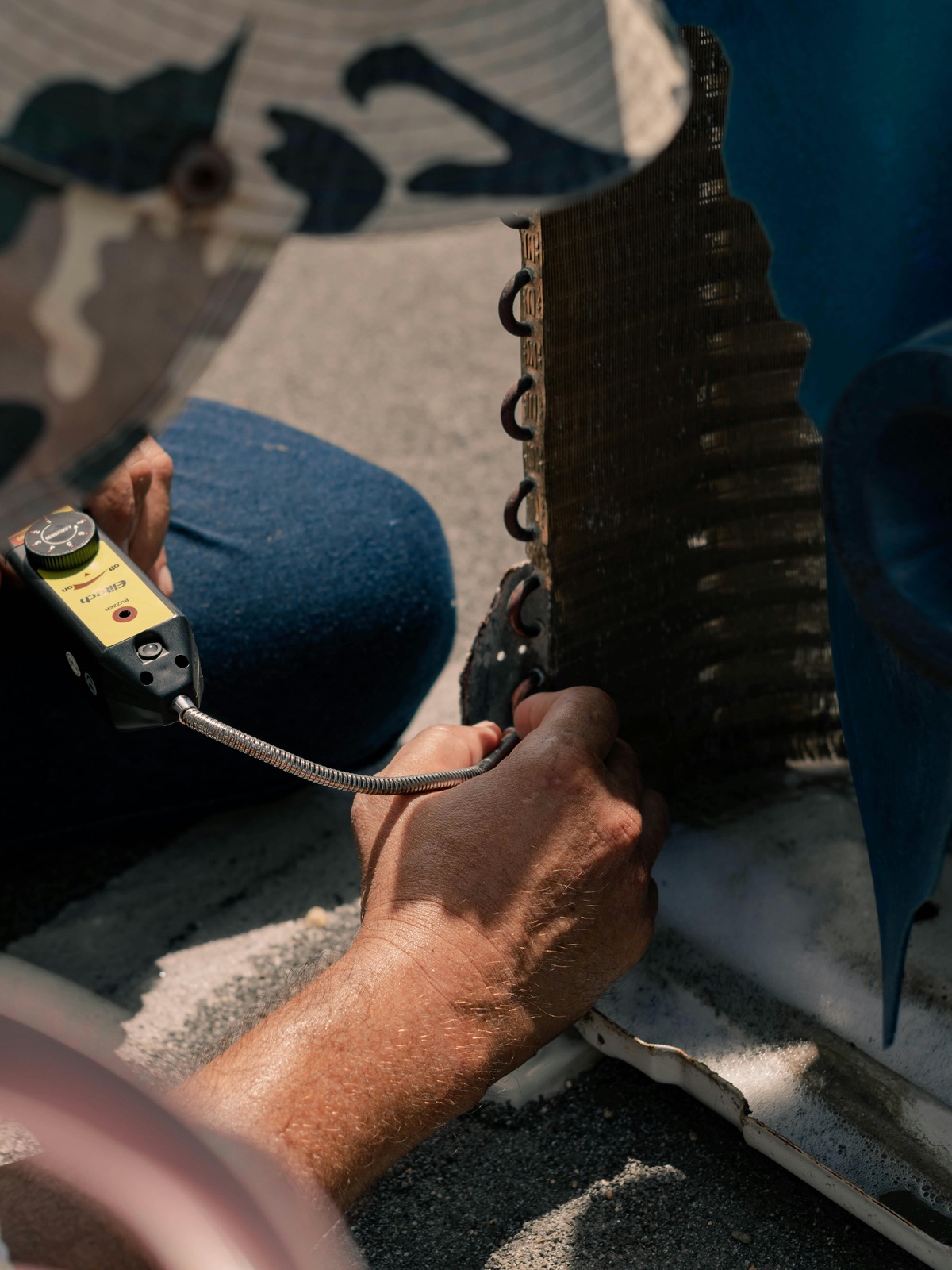
Homeowners in Hewitt usually start searching for hvac repair when the symptom is already disrupting the day. The useful first step is to separate what you can safely observe from what needs professional testing. This guide focuses on mixed heating and cooling symptoms that do not point to one obvious part and how to turn those clues into a better service request.
Strong owner-occupied neighborhoods with high demand for preventative HVAC service and fast plumbing response. That local context matters because the same symptom can point to different causes depending on home age, equipment access, prior repairs, and how quickly the problem is getting worse.
Quick Checks Before You Book
Before you schedule service, write down what changed first, which rooms feel different, and whether the thermostat, breaker, filter, or drain line changed recently. These checks do not replace diagnosis, but they help dispatch understand whether the call should be routed as urgent, scheduled, or part of a larger repair plan.
What Not to Do
Avoid guessing at parts, ignoring duct problems, or replacing equipment before the technician confirms electrical load, airflow, and controls. Shortcuts can make the real failure harder to find, increase repair cost, or create a second issue before the original problem is solved.
When This Becomes Urgent
call when comfort swings are getting worse, the system starts and stops constantly, unusual noises appear, or both heating and cooling performance feel unreliable. If the issue creates comfort risk, call first and read later. A fast stabilization visit is usually cheaper than waiting for damage, unsafe temperatures, or repeat failures to spread.
What a Good Diagnosis Should Cover
A useful visit should explain what failed, what needs attention today, and what can be monitored. For this comfort system, that means checking the visible symptom, the supporting components, and the conditions that made the failure show up in Hewitt homes.
How to Prevent the Repeat Call
keep a service record with filter dates, repair history, utility-bill spikes, and the age of major components so repair decisions are grounded in facts. Preventive work is not about adding chores. It is about catching the small conditions that turn into emergency calls during heat, cold, heavy use, or high household demand.
Local Next Step
If your notes match this guide, use the related service page for booking details: HVAC Repair Waco TX. You can also compare nearby coverage at Hewitt service area or browse the main Waco HVAC and plumbing guide library.
How to Use This Guide Before You Schedule Service
This article is written for Waco-area homeowners who need practical symptom triage, not generic national advice. Use it to separate simple checks from failure patterns that need a technician, then match the next step to the level of risk in the home. If the issue is active, worsening, or tied to water damage or unsafe temperatures, the service call should move ahead of further research.
The most helpful notes to collect are the first day the problem appeared, whether it is getting worse, which rooms or fixtures are affected, and what has already been tried. Those details help a technician confirm the root cause faster and avoid repeating a repair that has already failed.
When the Problem Should Not Wait
Call quickly if the home has no cooling during extreme heat, no heat during a cold snap, active leaking, sewer backup, electrical odor, repeated breaker trips, or no hot water for a household that cannot safely wait. These situations can create comfort, safety, or property-damage risk before a planned appointment window opens.
Stable symptoms can usually be scheduled as planned work. That includes maintenance, efficiency checks, replacement estimates, recurring nuisance issues, and projects where you want time to compare repair against upgrade options.
What the Technician Will Need to Confirm
- Whether the symptom is isolated to one room, one fixture, one appliance, or the whole system.
- Whether the issue appeared after weather changes, maintenance, utility interruption, or recent repairs.
- Whether there are signs of water damage, airflow restriction, electrical stress, corrosion, noise, odor, or short cycling.
- Whether the system age and repair history point toward a one-time fix or a broader planning conversation.
- Which result matters most to the homeowner: speed, lowest immediate cost, long-term reliability, efficiency, or warranty coverage.
After the visit, ask for the confirmed cause, what was repaired, what should be watched next, and whether maintenance would reduce the chance of another urgent call. That gives you a usable record instead of only a receipt.
How This Applies in Waco Homes
Waco-area service decisions are shaped by heat, hard water, slab foundations, older neighborhoods, fast-growing suburbs, and homes that have already had a mix of past repairs. That context is why a guide can help with preparation, but an on-site diagnosis still matters before final pricing or repair decisions.
If the article points toward HVAC service, expect the technician to connect the symptom to airflow, controls, electrical components, duct condition, and equipment age. If it points toward plumbing service, expect the conversation to include access, shutoff condition, fixture age, drain behavior, water heater performance, visible moisture, and whether the issue is isolated or spreading.
Use the guide to make the first call clearer. Tell dispatch what you observed, what changed, what you tried, and what outcome matters most. That helps the visit start with stronger context and helps the technician explain whether the right next step is repair, replacement, maintenance, financing, or a staged plan.
If you are comparing options, keep the decision anchored to risk. Comfort loss, water movement, sewer symptoms, electrical stress, gas odor, and repeated shutdowns move faster than efficiency upgrades or routine maintenance. Stable issues can be scheduled with more time for comparison, but active problems should be routed quickly so the home is protected first.
After service, keep the diagnostic notes. They make future maintenance and replacement planning easier because the next technician can see what changed, what was fixed, and what was already ruled out. That history is especially useful for older HVAC equipment, recurring drain problems, water heater decisions, duct concerns, and homes that have had several rounds of repair.
The goal is not to turn every article into a sales page. The goal is to give enough crawl-visible, customer-visible context for a homeowner to understand the issue, choose the right service path, and make the first conversation more productive.
That context is especially helpful when a homeowner is comparing several local pages and needs to move from research to a real service request.
For the next step, start with Heating and Cooling Waco TX or compare the related service pages linked above.
